About TEI / Why I started

Curiosity becomes capability.

Founded by Eason Yang, TEI starts with three engineering projects and a simple aim: make the problem, the process and the person’s contribution clear, then invite other students to share their work.

01 / TEI

Build the projects.
Organize the record.

I initiated TEI as a place to present my engineering work and invite student contributions. My project work and my role in organizing the platform are documented separately.

Read Behind the Project: origins, decisions and development →

01 / Engineering

Develop the starting projects.

I integrated the biosignal monitor’s electronics, adapted its application and designed its enclosure. I also designed and tested the wire soldering jig and bench vice. Their pages present the mechanical designs and testing status.

Explore my three projects →
02 / Documentation

Show what supports each claim.

I organize code, CAD files, build photographs and development notes into project records. The biosignal page credits existing modules and software references and separates reported operation from recorded checks.

Inspect the build evidence →
03 / Platform

Set up a place for participation.

I define the site’s project structure and submission process. Submitted projects go to me for private review, with each contributor’s work, public credit and sharing permission agreed before publication.

See the review process →
Current stage

Three projects. An open invitation.

The published projects are currently my own. External contributions and completed community activities are not yet documented; the first workshop remains in planning.

Read the community record →

Give teenagers the confidence, tools, and community to turn observations into engineering work that has meaning beyond the classroom.

Why it exists

Engineering should feel possible.

Many students meet engineering as a competition category, a difficult university major, or a list of technical skills they have not learned yet. That can make building feel like something reserved for other people.

This initiative begins somewhere simpler: notice what is not working. Ask who it affects. Research the constraints. Build a first version. Test it. Record the failure. Try again. Through that cycle, engineering becomes a way of thinking—and a practical way to contribute.

How we decide what—and how—to build.

01

Curiosity before credentials

You do not need to be an expert to begin. A precise question is already a useful engineering tool.

02

Problems before products

We start by understanding people, constraints, and context before choosing what to build.

03

Evidence before claims

A prototype matters because it can be measured, challenged, improved, and explained honestly.

04

Build together

Different interests and experiences make stronger ideas—and engineering becomes more accessible when knowledge is shared.

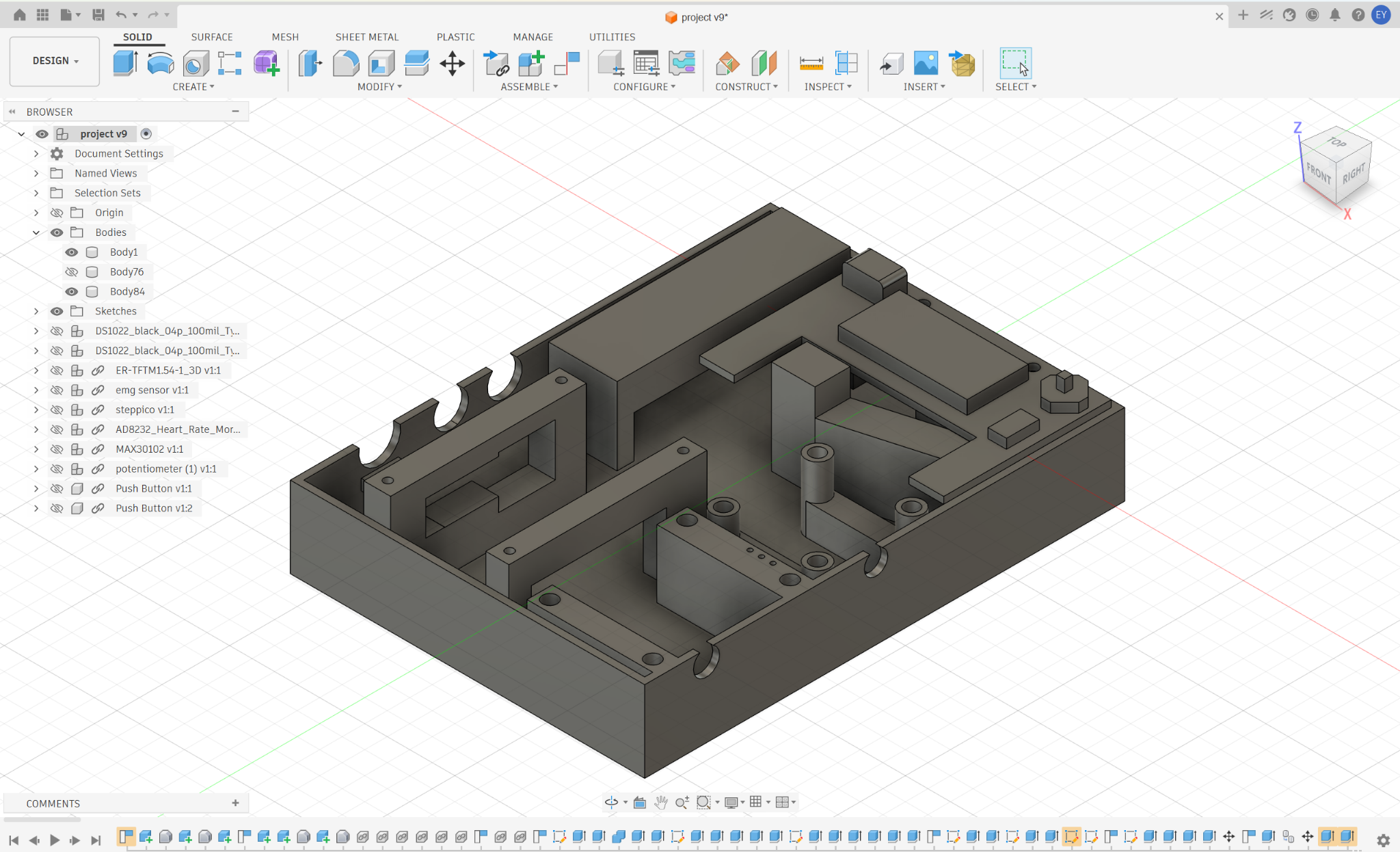
CAD view showing the internal mounting structure of a student engineering prototype
Learning by building · internal structure study

Next step

See the thinking become physical.

Three projects by Eason Yang form the starting point: a biosignal monitor, a wire soldering jig and a bench vice. The initiative grows through more students, more problems and more shared knowledge.

Explore projects ↗